
Debt Relief for Loans & Lines of Credit in Ontario
Are your loan and line of credit payments consuming your paycheque?
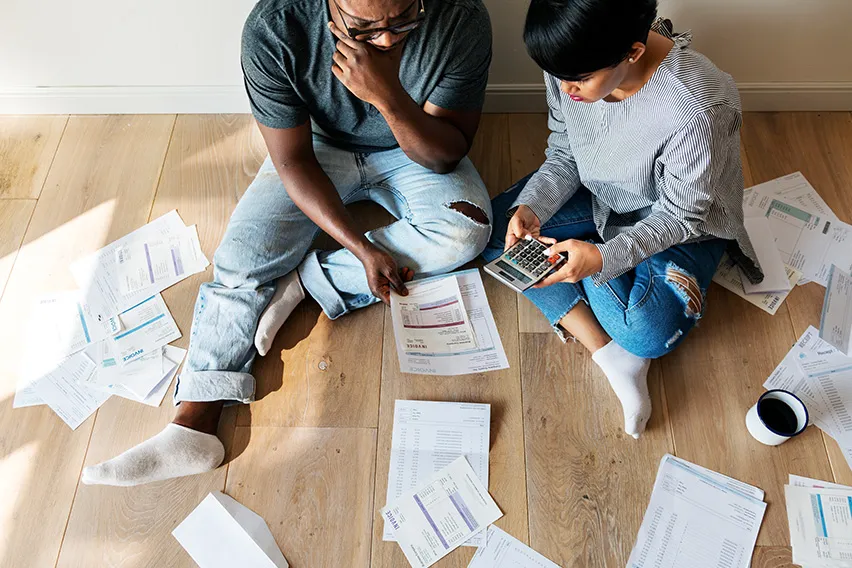
If your line of credit, overdraft, or personal loan payments are leaving little room for essentials, you’re not alone. Lines of credit can start out as a practical tool until balances grow, interest rates change, and minimum payments stop making a real dent.
This page explains how line of credit and loan debt can become difficult to manage, and outlines several debt relief options that may help, depending on your income, assets, and overall financial situation.
We can help you explore options to reduce debt payments
If you’re looking for a way to regain control, there are several approaches Canadians commonly consider. Some strategies focus on lowering interest. Others are federally regulated debt relief programs that may reduce what you repay on unsecured debts.
A Licensed Insolvency Trustee (LIT) can explain which options may apply in your situation, including consumer proposals and bankruptcy, which only an LIT can administer in Canada
The financial risks of borrowing
It can be tempting to use available credit when a big expense comes up or when it feels easier to borrow now and “deal with it later.” Because credit is so accessible, it’s common to rely on a line of credit, overdraft protection, or a personal loan instead of savings.
The challenge is that borrowing can quietly become a habit. When you’re also paying for housing, groceries, transportation, and other essentials, it may become harder to keep up with due dates or reduce balances.
If you’re feeling stuck, there are debt relief options available in Canada that may help reduce interest, simplify payments, or address unsecured debt more formally.
What to consider before using a line of credit
A line of credit can be useful, but it’s easy for balances to grow especially when the payment required each month is low. Before borrowing further, it helps to understand how interest is calculated, how payments work, and what happens when rates rise.
How lines of credit and loans can lead to financial trouble
Borrowing through lines of credit and personal loans is common across Canada. When interest rates rise or multiple balances accumulate, repayment can become difficult especially if you’re only able to cover minimum payments.
Equifax has reported that average non-mortgage consumer debt has been in the low-$22,000 range in recent reporting (excluding mortgages), which reflects how widespread borrowing has become.
Why lines of credit and loans are so popular
- They’re widely available at banks, credit unions, and various finance companies
- They offer low interest rates compared to credit cards and payday loans
- Many come with flexible payment schedules
- Most don’t require collateral to qualify
- The borrowed funds can be used to finance almost any type of purchase
- There’s no extensive paperwork to fill out or long wait period to obtain approval
The downside: flexibility can make debt harder to pay down
Convenience can work against you. A flexible repayment structure may make it easy to borrow again before the balance is paid off. Some people also end up “moving money around” to cover other bills, which can keep debt in place longer.
Lines of credit can be especially risky if you’re mainly paying interest each month and not reducing the principal meaningfully.
The downside: flexibility can make debt harder to pay down
Many lines of credit have variable interest rates that move with a lender’s prime rate, which is influenced by the Bank of Canada’s policy rate. If prime rises, your borrowing cost may rise too.
Three common options for line of credit and loan debt relief
If line of credit and loan debt is becoming unmanageable, these are four main options people often explore:
Let’s walk through each.
Consolidating your debt to lower interest and simplify payments
Debt consolidation combines multiple unsecured debts into one payment, ideally at a lower interest rate. This can be helpful for some people, but eligibility and cost depend on credit history, income, and lender requirements.
Option 1: A debt consolidation loan
A debt consolidation loan is a personal loan used to pay off existing debts, leaving you with one installment payment.
Things to consider:
- You generally still repay the full principal (this option typically reduces interest, not the amount owed)
- Approval may require a stronger credit score
- Some lenders may require collateral, which could increase risk if payments are missed
Option 2: A debt management plan
A debt management plan is typically arranged through a credit counselling organization. Rather than borrowing again, the plan may involve negotiating reduced interest with participating creditors and repaying through a structured schedule.
Limitations to understand:
- These plans often focus on credit card debt, and may not apply to all lines of credit or loans
- Terms depend on creditor participation, and protections are not the same as a federal insolvency filing
Option 3: Reduce unsecured line of credit and loan debt with a consumer proposal
A consumer proposal is a formal, legally binding process under the Bankruptcy and Insolvency Act (BIA), administered by a Licensed Insolvency Trustee.
When a consumer proposal is filed, it creates legal protection (a “stay of proceedings”) that can stop most unsecured creditor actions, including collection calls and lawsuits, while the proposal is in place.
A consumer proposal may:
- Consolidate unsecured debts into one payment
- Stop further interest on unsecured debts included in the proposal
- Reduce the total amount repaid, depending on circumstances and creditor acceptance
Consumer proposals do affect credit, and how long they remain on a credit report can depend on the credit bureau’s reporting rules and your completion date.
Important: Only a Licensed Insolvency Trustee can file and administer a consumer proposal in Canada.


Calculate savings
Consumer Proposal - 0% Interest
Debt Consolidation Loan - 30% Interest
Do Nothing - 19% Interest
* Calculations above are made over a 5 year period at a rate of 80% savings. This calculator provides an estimate of the total savings you may receive when filing a consumer proposal. Actual results may vary. Your payments will depend on your income, assets, and debts.
Option 4: Eliminate eligible unsecured line of credit and loan debt through bankruptcy
Bankruptcy is also a federally regulated process under the BIA, administered by a Licensed Insolvency Trustee.
Bankruptcy may:
- Provide legal protection from unsecured creditors
- Stop collection activity while the bankruptcy is active
- Discharge (eliminate) many unsecured debts after you complete required steps
A key consideration is assets. In bankruptcy, you may be required to surrender non-exempt assets (assets not protected by law). What you keep depends on provincial exemption rules and your situation.
As with a consumer proposal, only a Licensed Insolvency Trustee can administer a bankruptcy in Canada.
Our professional recommendation for achieving debt relief from lines of credit and loans
Consolidating your debt using cheap financing is one option you can explore to tackle your debt problems. But at the end of the day, you’re simply exchanging old debt for new debt. If you continue to borrow from Peter to pay Paul, you’ll be in debt forever!
If a debt consolidation loan is not an option, consider a debt relief or forgiveness solution. Two options include filing a consumer proposal or declaring personal bankruptcy. Both debt-relief programs can give you the chance to rid yourself of burdensome debt forever. And once you emerge on the other side, you’ll have the foundation to get your finances and life back on track. Use our debt consolidation calculator to weigh your options, and then book a call with us! We can explain everything in more detail so that you make the most informed decision possible in tackling your debt. No matter which option works best for you, we’re here to help you every step of the way!What our clients are saying
“Debt collectors don’t control me anymore.”
“I thought I had to suffer alone… I was wrong.”
“When no one else could help, David Sklar did.”
“Six debt collector calls a day—now, none.”
“For the first time in years, I could breathe.”
“The best thing I’ve done for my finances.”
Advice on Loans/Line of Credit Debt


Here to help you
Our federally 🇨🇦 regulated team of Licensed Insolvency Trustees in Ontario can help you get out of debt and in control of your own financial future.
We’ve helped thousands of people and we can help you too.
We know this is stressful, but you’re not alone